What Clients Often Ask Too Late
A story about timing, design, and irreversible decisions
- Lilian Jerono
- 15th Jan 2026
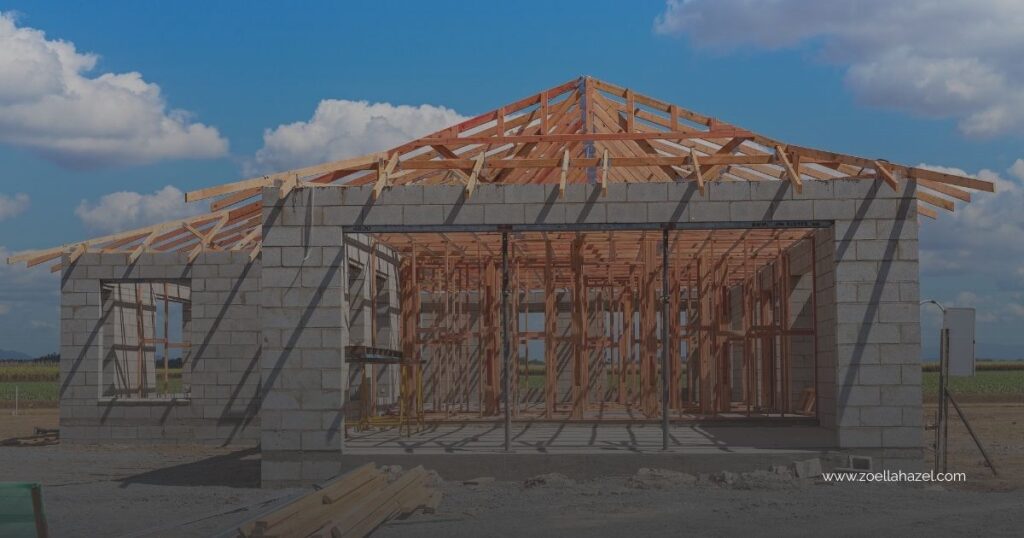
The question usually comes when the house is already standing.
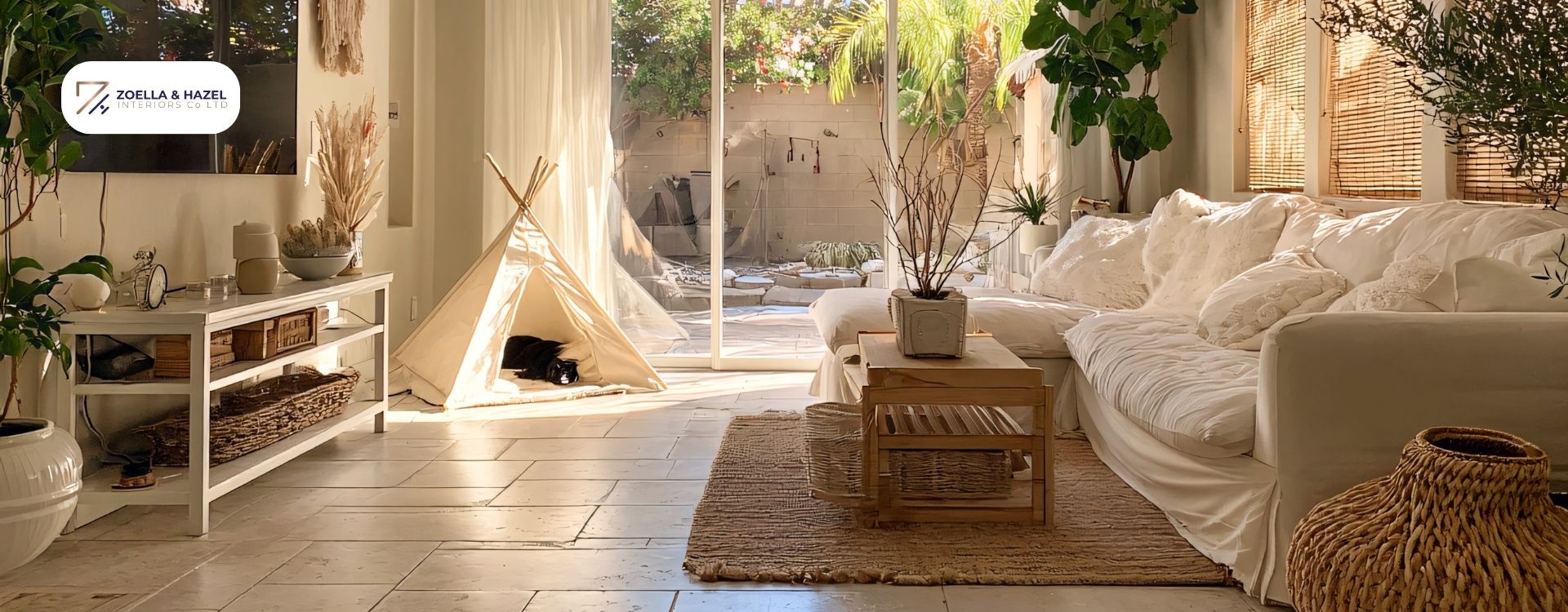
Sometimes it is asked while walking through a newly tiled space. Sometimes while leaning against a window that lets in more heat than expected. Sometimes months after moving in, when the novelty has worn off and daily life has settled into its rhythms.
The words vary, but the meaning is always the same.
“I wish we had thought about this earlier.”
At Zoella & Hazel, we hear these moments not as complaints, but as turning points – moments when clients finally see what design truly does.
The moment things begin to feel… off
One client once told us they loved how their home looked, but they found themselves avoiding certain rooms during the day. The living room felt beautiful but unusable after midday. The bedrooms were quiet but oddly dim. Visitors commented on the finishes, yet no one lingered.
When we revisited the drawings, the answer was clear. Orientation had been decided before design ever entered the conversation. The west-facing glazing flooded the main space with harsh afternoon sun. Ceiling heights were fixed without considering airflow. Window placement prioritized symmetry over comfort.
Nothing was “wrong” in isolation. But together, the space was fighting its environment.
This is often when clients ask:
• Why is it so hot even with good ventilation?
• Why does the light feel harsh instead of warm?
• Why don’t we use this space as much as we thought we would?
The uncomfortable truth is that these questions are architectural, not decorative-and by this stage, architecture is difficult to undo.
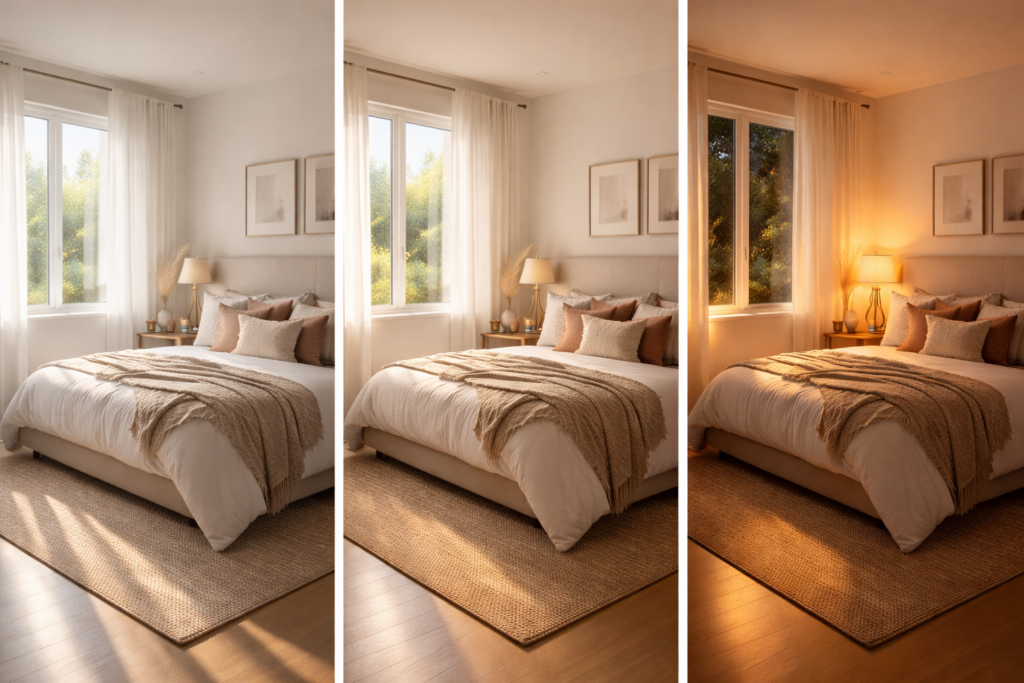
Light is not decorative. It is structural.
Many clients come to design conversations with images of bright, airy spaces saved on their phones. What is rarely discussed is how light behaves in real time.
Light changes hourly. Seasonally. It moves, intensifies, softens, and disappears.
When light is not studied early, the space begins to demand control:
• Curtains stay closed during the day
• Artificial lights turn on before sunset
• Heat builds where it could have been filtered
• Energy costs rise quietly over time
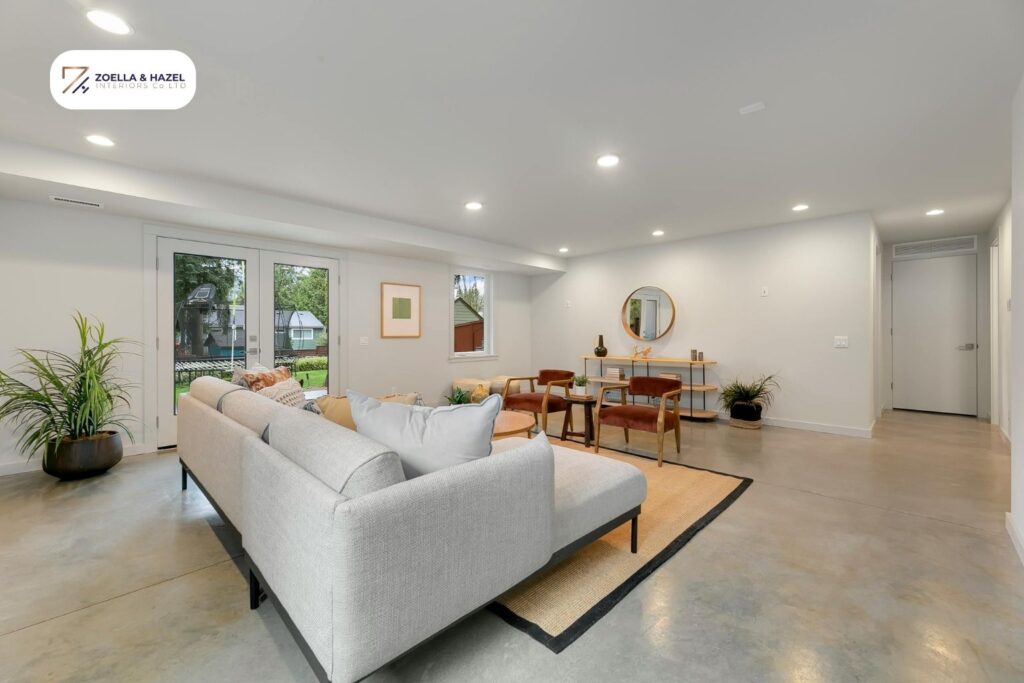
“Can we still change the layout?”
By the time this question is raised, construction is often well underway. Walls define movement. Plumbing fixes room placement. Electrical points dictate furniture decisions.
Layout is where design either supports life—or resists it.
A well-considered layout quietly answers questions before they are asked:
- Where does noise belong?
- Where does privacy begin?
- How do people move without crossing each other?
- Where does the day slow down?
When layout decisions are rushed or delegated too early, the consequences are subtle but constant. People adapt, but they never stop noticing.
And adaptation, over time, becomes fatigue.
Maintenance is the conversation no one wants to have early
Almost every project reaches a moment after handover when the client realizes that beauty comes with responsibility.
Some materials age poorly in heat. Others trap dust. Some finishes require specialized care that is difficult to sustain locally. Repairs disrupt daily life more than expected.
This is often when we hear:
“We didn’t realize this would need so much upkeep.”
Design is not just about how something looks when new. It is about how it behaves when life happens.
At Zoella & Hazel, we often ask uncomfortable questions early:
- How will this material age in this climate?
- Who will maintain it?
- What happens when it needs repair?
- Will this still feel right five years from now?
These are not aesthetic questions. They are life questions.
Why cohesion feels elusive – until it doesn’t
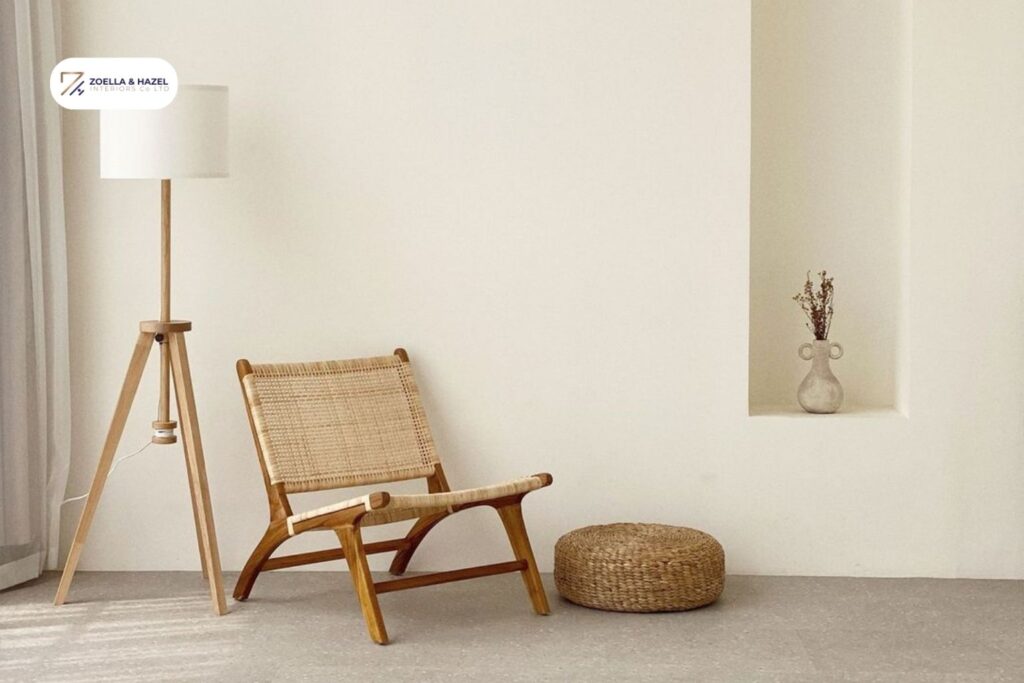
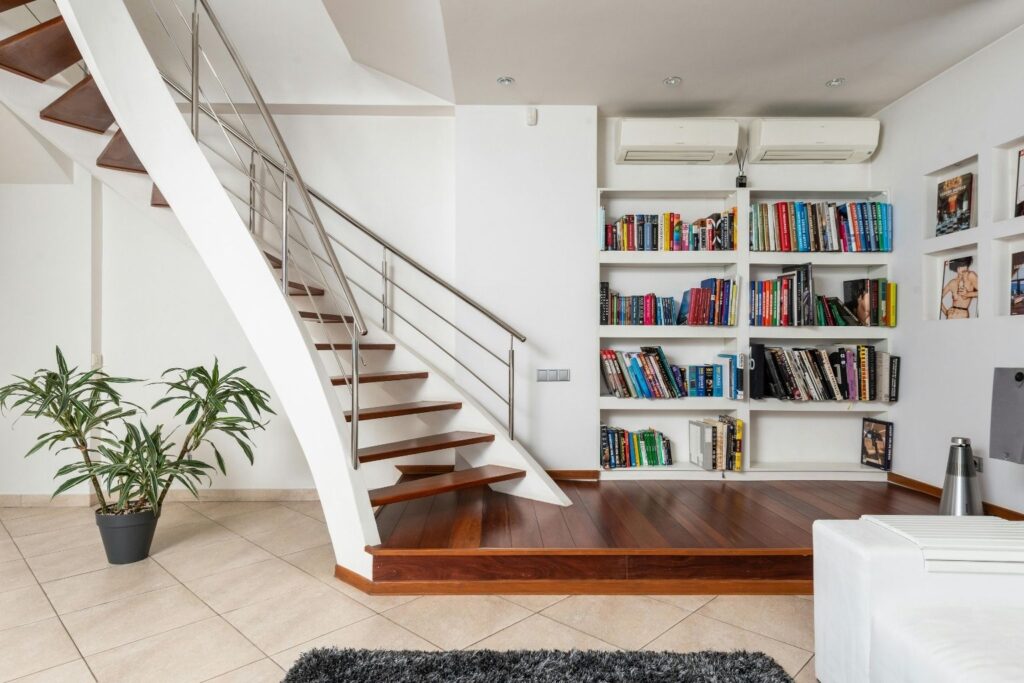
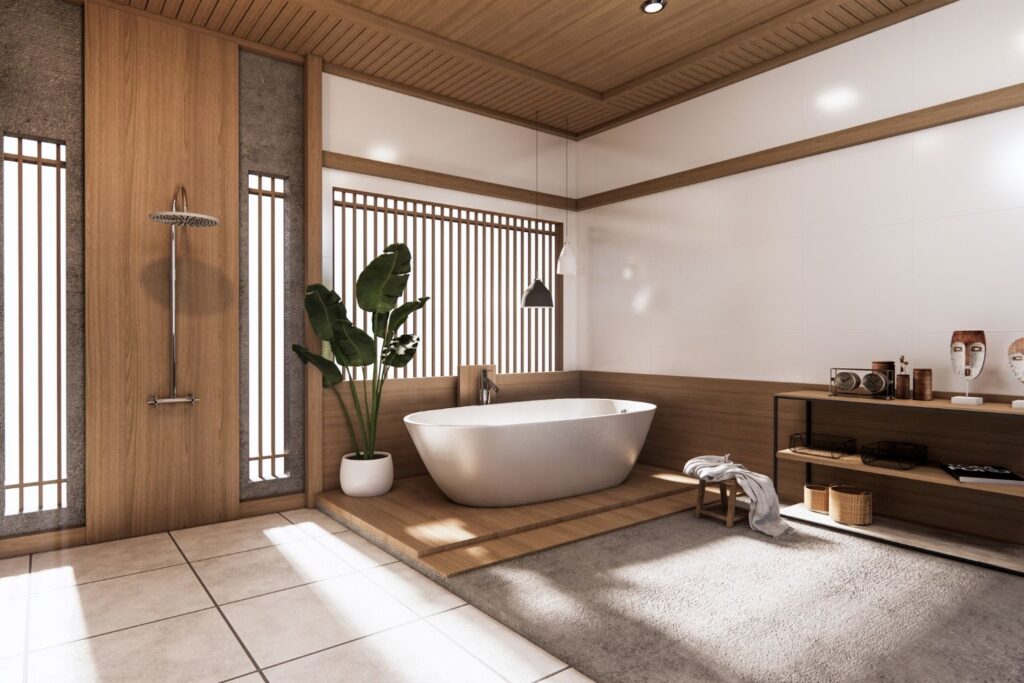
Clients sometimes sense that something is missing but struggle to name it. The finishes are beautiful. The furniture is well chosen. Yet the space feels fragmented.
Cohesion is not about matching. It is about intention.
When a project lacks cohesion, it is usually because decisions were made in isolation, each one reasonable on its own, but disconnected from a central idea. Styling then becomes a form of damage control.
Design coherence is not created at the end.
It is protected from the beginning.
What all these late questions have in common
They reveal one shared misunderstanding:
Design is often treated as an aesthetic layer, when in reality it is a sequence of decisions with long-term consequences.
By the time a space is finished, design has already spoken. The question is whether it spoke intentionally—or by default.

We work where decisions still have power.Before finishes.Before budgets harden.Before structure becomes irreversible.